257 Views
Step outside and look at what people have on their feet these days. Something has changed. The chunky platforms and bedazzled sneakers are disappearing. Instead, you will see clean white leather, simple canvas, basic black boots. Americans are ditching complicated footwear for something quieter, and this shift is happening faster than anyone expected.
The Appeal of Less Is More
Strip a shoe down to its basics and something interesting happens. It actually looks better. No giant logos screaming for attention. No random buckles that serve no purpose, and no patterns that clash with half your wardrobe. Just a shoe doing its job without the theatrics.
This wasn’t some top-down fashion decree. Regular people just got tired of overthinking their footwear. They started gravitating toward pieces that made their mornings easier. One pair of cognac leather shoes replaced three pairs of specific-occasion footwear. A single style of boot now handles what used to require an entire collection. The simplification felt like relief.
Why Simple Sells
Minimalist shoes don’t ask much of you. Throw them on with whatever, and somehow it works. Black leather sneakers with dress pants? Fine. With shorts? Also fine. With that weird outfit you threw together because everything else was dirty? Still fine.
Then there’s the money side. Ten pairs of shoes you barely wear cost more than three you grab constantly. Plus, those three last longer because they’re usually made better. Fast fashion footwear falls apart after a season. Well-made minimal shoes stick around for years, getting better as they break in. Do the math on cost per wear and the expensive option often ends up cheaper.
The Comfort Revolution
Turns out when you stop adding random decorative elements to shoes, you can focus on how they actually feel. No more rhinestones pressing into your foot. No more platforms to make you wobble. Just shoes that work with your body instead of against it.
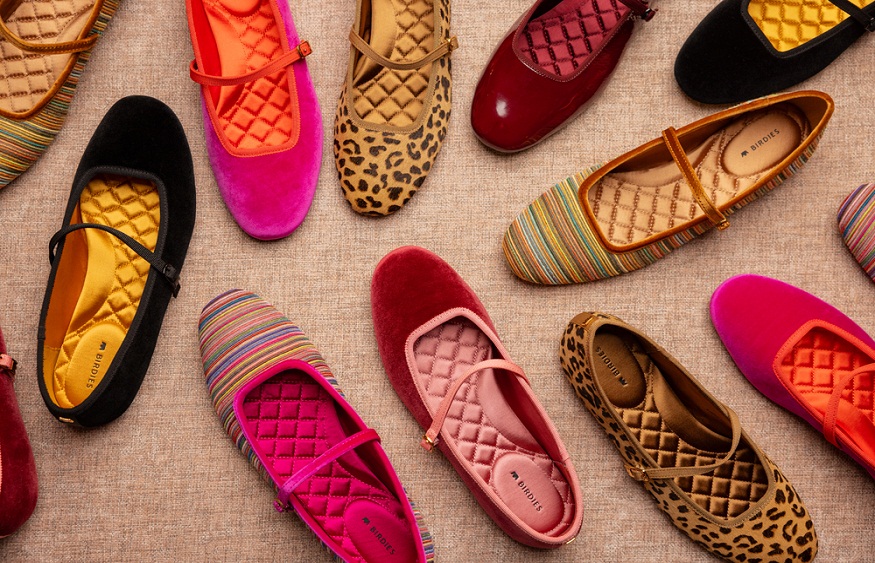
The technology hiding inside these simple-looking shoes would blow your mind. Memory foam that remembers your foot shape. Arch support that doesn’t announce itself. Breathable materials that keep things fresh. Take Mary Jane flats; companies like Birdies have transformed this old-school style by packing serious comfort tech inside while keeping the outside elegantly simple. You get a professional look without the pain.
Sustainability Enters the Conversation
Fewer shoes means less trash. Those minimalist shoes also tend to stick around longer since they don’t scream “last year” with every design choice. A plain Chelsea boot looks as right today as it did five years ago and will five years from now.
The companies making these shoes often care about how they’re made too. Real leather from responsible sources. Recycled rubber soles. Factories that treat workers fairly. People like knowing their morning footwear choice didn’t wreck someone else’s day halfway around the globe.
Conclusion
Walk through any department store and you’ll see where this is heading. The minimalist section keeps expanding while the flashy stuff shrinks. Young professionals build their entire work wardrobe around two pairs of versatile shoes. Parents grab one style that works for school pickup and dinner out.
The pandemic likely sped this up. Lockdown made people accustomed to comfort over pain. Work dress codes relaxed. Travel resumed, but no one wanted a suitcase just for shoes. Everything pushed toward simplification. What started as a few people choosing cleaner designs has become the default for huge chunks of the population. Minimalist footwear stopped being a trend and started being just how people shop for shoes now. The shoe rack got smaller but somehow life got easier. That trade-off explains why this movement isn’t going anywhere.